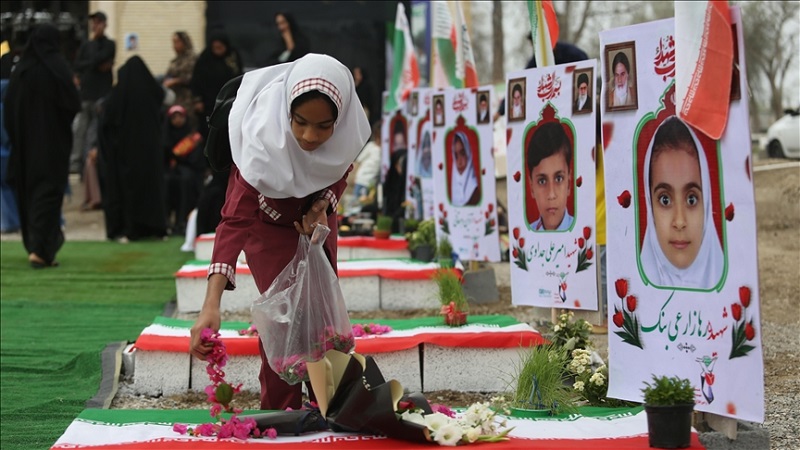
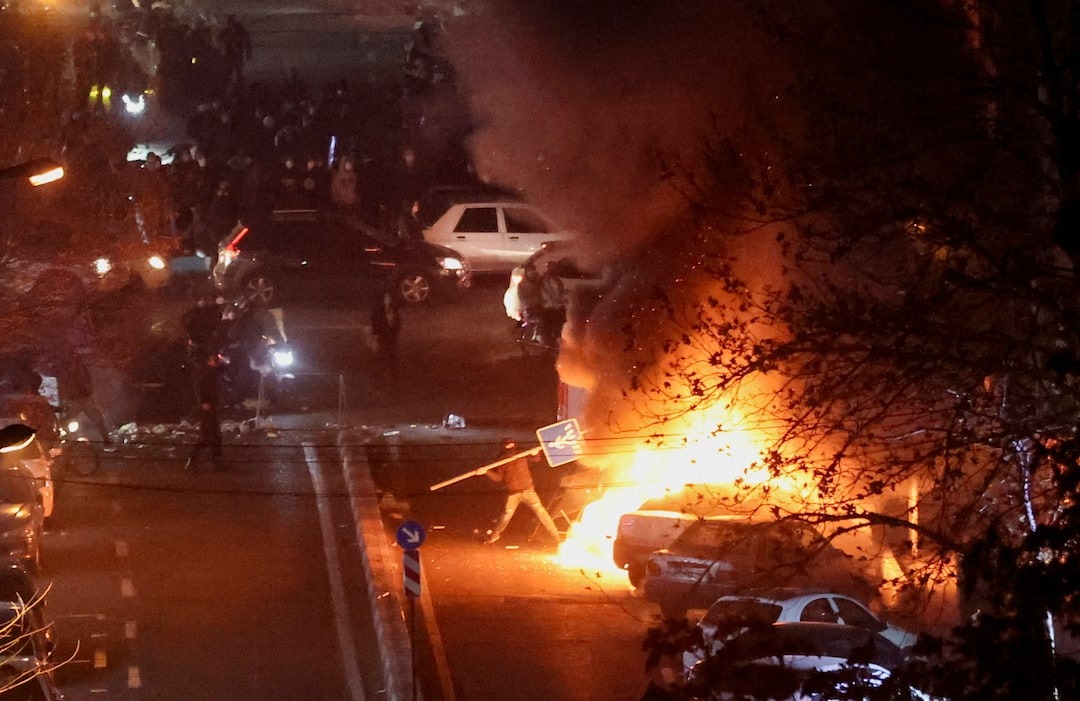
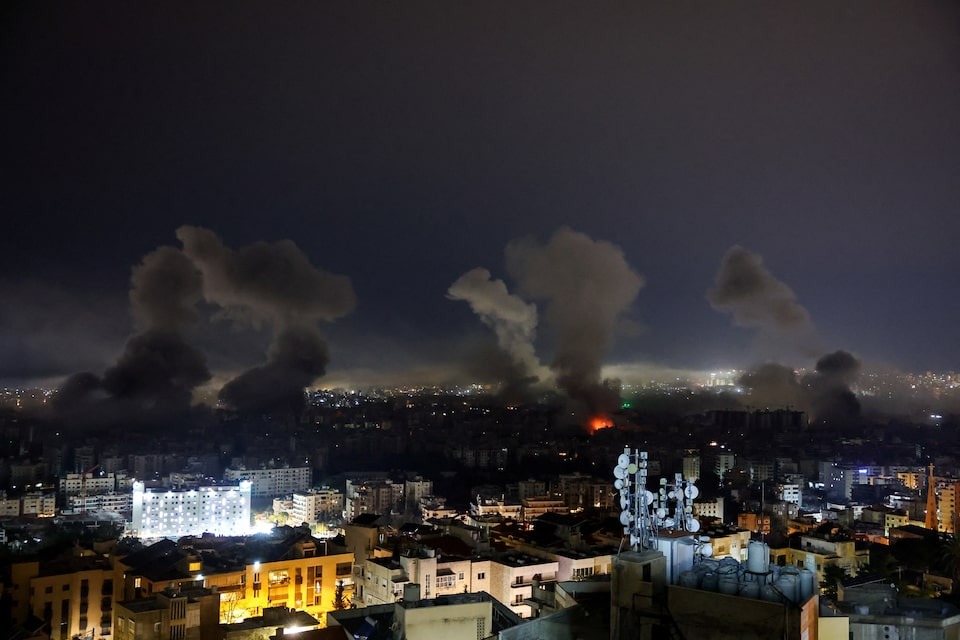
25 MAR, KATHMANDU – Twenty-three days into the escalating conflict in the Middle East, children are facing devastating consequences, with casualties and displacement rising at an alarming rate. According to reported figures, more than 2,100 children have been killed or injured across the region—an average of 87 children affected every day since the violence began.
As per UNICEF Among the reported deaths are 206 children in Iran, 118 in Lebanon, four in Israel, and one in Kuwait. These numbers are expected to increase as hostilities continue. Behind the statistics are grieving families and shattered communities struggling to cope with immense loss and trauma.
Mass displacement is compounding the crisis. In Iran, up to 3.2 million people have been forced from their homes, including an estimated 864,000 children. Lebanon has seen more than one million people displaced, with approximately 370,000 of them children. Many families are now sheltering in overcrowded public buildings, including schools, while around 90,000 Syrians have returned to Syria alongside several thousand citizens.
Even before this escalation, nearly 44.8 million children in the Middle East were living in conflict-affected areas. The current crisis threatens to deepen long-term impacts on their safety, education, and well-being.
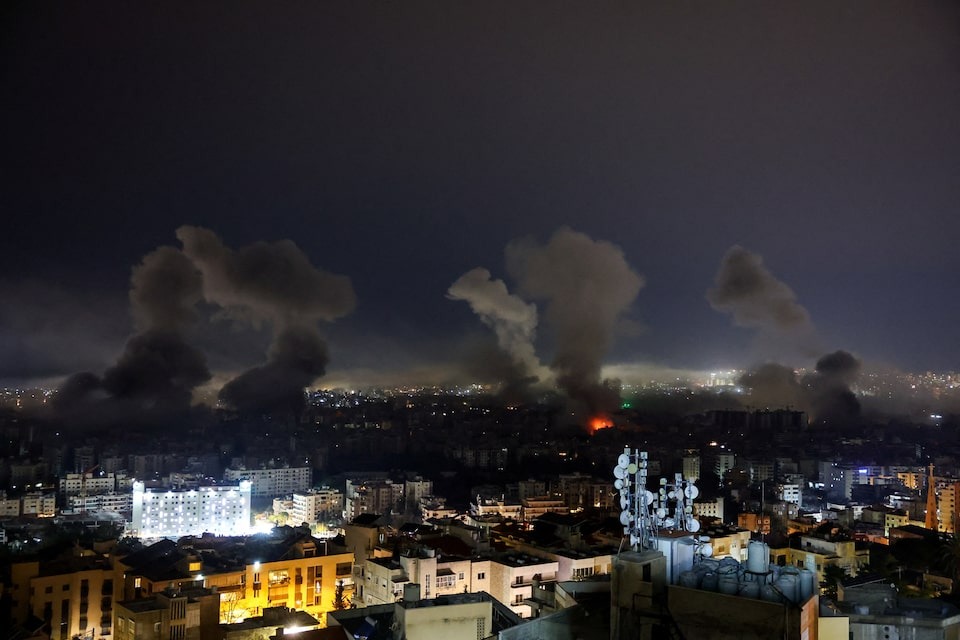
Critical infrastructure—including homes, schools, and hospitals—has been heavily damaged or destroyed. Health systems, already under strain, are nearing collapse, while disrupted supply chains are limiting access to essential goods and services.
During a recent visit to Lebanon, humanitarian officials witnessed firsthand the worsening conditions. In Beirut, a 14-year-old girl named Nour recounted surviving an airstrike that destroyed her home, leaving her injured beneath rubble. Her story reflects the broader reality for countless children caught in the violence.
In another shelter, 15-year-old Fatima described sleepless nights filled with fear as bombardments continued nearby. Like many displaced children, she longs to return home and resume her education—an opportunity currently out of reach.
The crisis has also severely disrupted education. More than 350 public schools in Lebanon are being used as shelters, affecting around 100,000 students. While efforts are underway to provide alternative learning options, the loss of school environments has stripped children of stability, protection, and routine.
Public services in Lebanon are under immense pressure. Water systems have been damaged, and healthcare workers have lost their lives while assisting affected populations. Humanitarian organizations are providing aid, including food, water, sanitation, and educational materials, but the scale of need continues to outpace available resources.
A $308 million emergency appeal has been launched to address urgent needs, but funding remains critically low, with an 86% shortfall. Aid agencies warn that without immediate financial support, essential services may not be sustained.
In response to the growing crisis, three urgent actions have been called for: an immediate ceasefire and protection of civilians, safe and unrestricted humanitarian access, and increased financial support to sustain relief efforts.
As the conflict continues, the toll on children and families is mounting, underscoring the urgent need for de-escalation and a path toward peace.






Conversation